

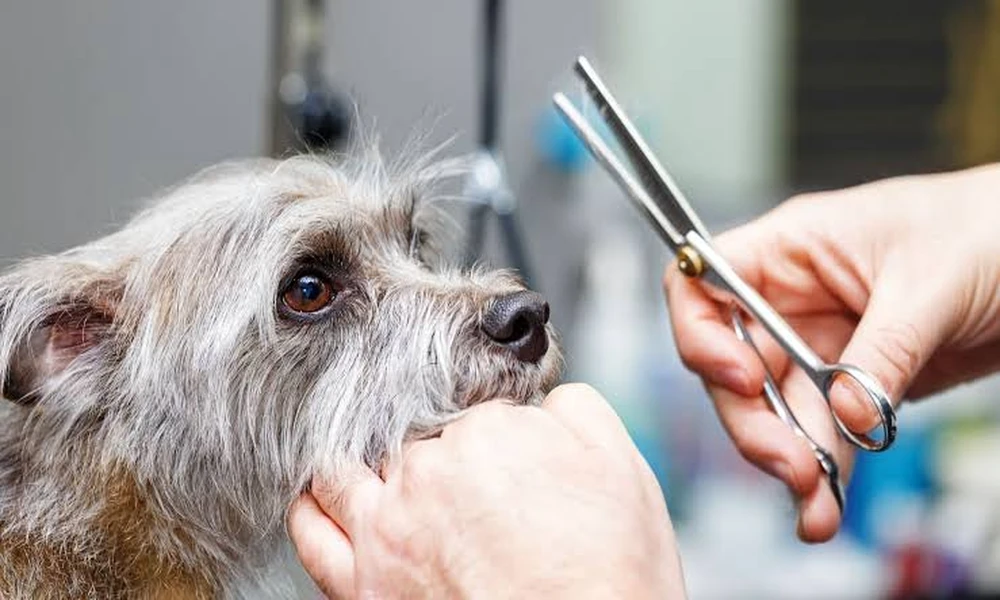
Asking targeted questions before handing over your pet guarantees safety, reduces anxiety for your dog, and prevents unexpected service costs. Proper vetting establishes trust between you and the facility while ensuring your pet receives personalized care tailored to their specific coat type, age, and temperament. Taking a few minutes to evaluate a salon’s standards protects your pet from stress or physical harm and ensures you walk away with a well-groomed, happy Dog Groomers Sandy.
Verifying Professional Credentials and Safety Protocols
Professional qualifications set high-grade grooming salons apart from hobbyist operations. You need to know if the staff holds formal industry certifications, receives ongoing training, or maintains membership in recognized pet care associations.
Inquire directly about emergency procedures and first-aid training. Every team member should be certified in pet CPR and have a clear protocol for handling sudden medical events or accidental minor nicks during styling.
Ask about their sanitation practices between client sessions. Professional facilities disinfect tubs, shears, tables, and kennels with hospital-grade, pet-safe solutions after every animal to prevent cross-contamination and parasite transmission.
Understanding Handling Techniques and Temperament Accommodations
Every dog reacts differently to table height, loud high-velocity dryers, and close restraint. Asking how groomers manage nervous, reactive, or senior pets reveals their commitment to force-free, humane care.
Find out if the facility uses fear-free handling methods or positive reinforcement techniques. Reputable facilities welcome detailed discussions about your pet’s behavioral triggers and adjust their pace rather than relying on harsh restraints.
Determine if the salon accommodates expression-based care or express appointments. Elderly dogs or pets with arthritis benefit from minimal crate time and continuous, uninterrupted styling sessions that shorten overall salon duration.
Clarifying Product Formulations and Skin Sensitivity Options
Standard commercial shampoos contain heavy fragrances and harsh surfactants that strip natural skin oils, causing inflammation or allergic reactions in sensitive breeds. Asking about product selections protects your dog’s skin barrier.
Request details on hypoallergenic, medicated, or deshedding formulas. Salons dedicated to pet wellness offer specialized bathing solutions tailored to dry skin, environmental allergies, or heavy double coats without extra hidden charges.
Verify if you can bring your veterinarian-prescribed medicated shampoo. Flexible facilities happily use customer-provided bathing solutions to maintain ongoing skin treatments without disrupting your pet’s routine.
Uncovering Pricing Structure and Service Packages
Transparent pricing prevents unexpected surprises when collecting your pet at the end of the day. Basic package definitions vary widely between salons, making detailed inquiries about itemized services necessary.
Ask if essential tasks like nail grinding, ear plucking, or anal gland expression are included in the base rate or treated as add-on fees. Understanding these distinctions allows you to compare quotes accurately across different businesses.
Inquire about potential matting fees upfront. Extremely dense or matted fur requires extra time, specialized dematting tools, or custom blade work that typically incurs additional labor costs.
Assessing Vaccination Requirements and Health Policies
A responsible salon enforces strict vaccination policies to safeguard every animal entering the premises. Asking about mandatory health documentation tells you immediately if a business takes disease prevention seriously.
Confirm requirement details for Rabies, Distemper, Parvovirus, and Bordetella vaccinations. Clear documentation standards indicate that the salon prioritizes a healthy environment over cutting corners for quick bookings.
Ask about their policy regarding sick or flea-infested pets. Facilities should immediately isolate and treat any animal showing signs of illness or parasites to prevent widespread exposure across the facility.
Establishing Clear Style Communication and Expectation Setting
Miscommunication regarding blade lengths or scissor styling often results in disappointing haircut outcomes. Asking how the team captures your specific styling preferences guarantees a smooth consultation.
Determine if the groomer reviews reference photos during intake. Visual guides help align your expectations with the realistic possibilities of your dog’s specific hair texture and current coat condition.
Ask how they handle unexpected coat issues discovered during bathing. Professional groomers pause and contact you for approval before altering a requested style due to hidden matting or skin irritation.
Conclusion
Asking thorough questions before scheduling a dog grooming appointment establishes a safe, comfortable, and positive experience for your pet. Evaluating professional credentials, handling philosophies, facility environments, and pricing transparency removes uncertainty from the process. Clear communication ensures your groomer understands your dog’s unique physical and emotional needs, building a lasting partnership that supports your pet’s ongoing health, hygiene, and overall well-being.
