

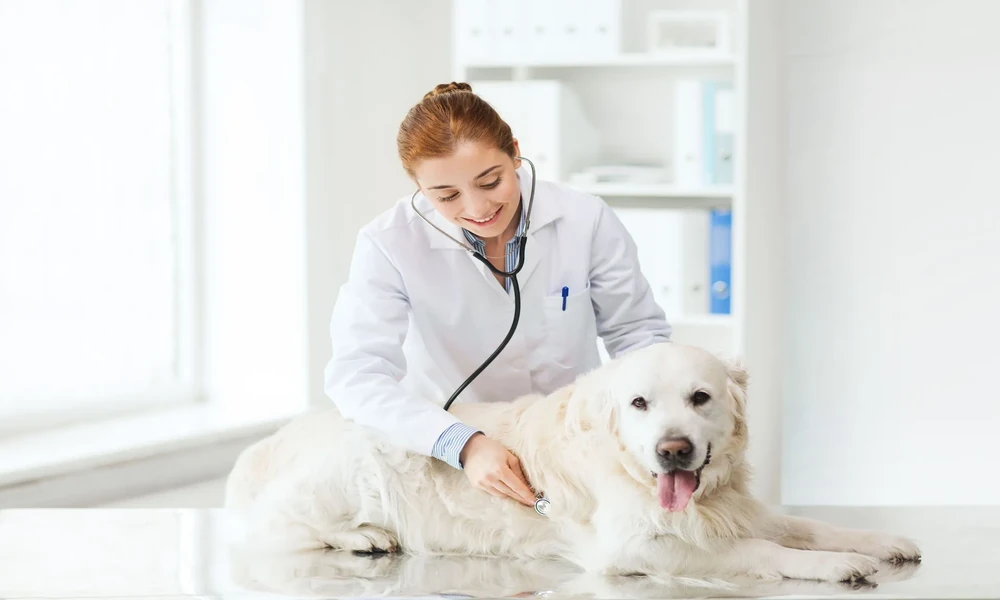
You brought home a new pet, and your days changed overnight. Feeding times, potty breaks, chewed cords, restless nights, strange sounds, softer stools, missed naps, and that constant low hum of worry all show up at once. You want to do right by this animal, but it is hard to know what counts as normal and what needs medical care. That is where a veterinary hospital becomes part of the picture, not as a last resort, but as steady support from the start, including Whitinsville pet dental services.
New pet owners often think the first goal is getting through the first few weeks. The real goal is building a foundation that protects your pet for years. Why Veterinary Hospitals Are Essential For New Pet Owners comes down to one simple truth. Early care catches problems before they grow, gives you a clear plan for vaccines and parasite prevention, and helps you avoid the panic and cost of preventable emergencies.
Veterinary hospitals give new pet owners a medical home from day one
A new puppy or kitten can look healthy and still carry worms, have skin issues, hidden infections, or breed-related concerns that do not show up right away. Even adult rescue pets may come with gaps in vaccine history, dental disease, stress-related stomach problems, or old injuries that no one caught. A veterinary hospital gives you more than a quick exam. You get a baseline for weight, growth, behavior, nutrition, and preventive care so changes are easier to spot later.
That matters when your pet stops eating for a day, starts scratching nonstop, or has diarrhea at midnight. Without an established hospital, you are left sorting through internet advice and hoping you guessed right. With one, your pet already has a medical record, your care team already knows the basics, and your next step is clearer.
This is also why many owners come to see animal hospitals for first-time pet owners as part of basic pet care rather than a place you visit only when something goes wrong. The relationship itself has value. Your questions get answered in context, and small issues stay small more often.
Preventive care at a veterinary hospital lowers health risks and surprise costs
Preventive care sounds simple until you are the one trying to decide between flea products, heartworm medication, vaccine timing, diet advice, and spay or neuter planning. One missed step can create a much bigger problem. Heartworm disease is a clear example. The FDA explains that year-round heartworm prevention protects pets far better than treating the disease later. Treatment is harder on the body, more expensive, and far more stressful for you and your pet.
Tick exposure works the same way. You may not notice a tick after a walk, especially on thick-coated dogs or outdoor cats, but the risk does not disappear because you did not see it. The CDC outlines practical ways to prevent ticks on pets, including regular checks and veterinarian-approved prevention. A veterinary hospital helps you choose products that fit your pet’s age, size, species, and lifestyle instead of relying on trial and error.
Seasonal parasite risks add another layer. Warmer months often bring fleas, ticks, mosquitoes, and intestinal parasites into the mix, and young pets are more vulnerable because their immune systems are still developing. Cornell’s veterinary experts share summer parasite prevention tips for pets that reinforce the same point. Consistent preventive care is easier, safer, and cheaper than catching up after exposure.
Veterinary hospitals help you separate normal new pet behavior from warning signs
Some of the hardest moments for new owners are not dramatic emergencies. They are the gray areas. A puppy sleeps all afternoon, then throws up once. A kitten hides under the bed and skips dinner. A rescue dog drinks a lot of water after a stressful day. Is it stress, normal adjustment, or a sign of illness? That uncertainty wears people down fast.
A veterinary hospital gives you a place to bring those concerns before they become severe. If your pet has a mild ear infection, early treatment may mean a short visit and medication. If it is ignored because you assume it is “just scratching,” it can turn into pain, inflammation, repeat visits, and a bigger bill. The same pattern shows up with dental disease, allergies, intestinal parasites, urinary issues, and obesity.
There is also the emotional side. New pet owners carry a lot of guilt. If something goes wrong, you replay every food choice, every toy, every walk, every delayed appointment. A hospital team helps replace panic with facts. That alone can change how you care for your pet.
Home monitoring and veterinary hospital care serve different roles
| Situation | Home Monitoring | Veterinary Hospital Care |
|---|---|---|
| Routine wellness | Track appetite, energy, stool, water intake, and behavior | Exam, vaccines, fecal testing, weight checks, and preventive plan |
| Parasite prevention | Check fur and paws, give prescribed medication on schedule | Recommend safe products, test for parasites, adjust for age and risk |
| Mild symptoms | Notice vomiting, scratching, limping, coughing, or appetite changes early | Diagnose the cause before it becomes severe or spreads |
| Emergency signs | Recognize trouble breathing, seizures, collapse, blocked urination, or toxin exposure | Provide imaging, labs, oxygen, fluids, surgery, and urgent treatment |
| Long-term costs | Low short-term spending, higher risk of delayed treatment | Higher planned spending, lower risk of major preventable expenses |
Clear steps make veterinary care easier to manage
Schedule a first exam early. Do not wait for symptoms. A new pet visit should cover vaccines, parasite screening, diet, behavior, spay or neuter timing, and a plan for follow-up care. This is one of the clearest reasons why veterinary hospitals are essential for owners who are still learning what their pet needs.
Build a prevention calendar. Put vaccines, heartworm prevention, flea and tick medication, fecal checks, and wellness exams on your phone calendar right away. Missed doses and delayed appointments are how preventable problems slip in.
Track changes, not guesses. Write down when symptoms start, what your pet ate, bathroom habits, energy level, and anything unusual in the home. Good notes help a veterinary team spot patterns faster and treat the right problem sooner.
New pet ownership gets easier, but it rarely feels easy at the beginning. You are learning an animal’s signals while trying to keep them safe, healthy, and comfortable. That is exactly why veterinary hospitals matter. They give you medical guidance, preventive care, and a place to turn before a small concern becomes a crisis. If you have a new pet at home, make a veterinary hospital part of your routine now, not after something goes wrong.
