

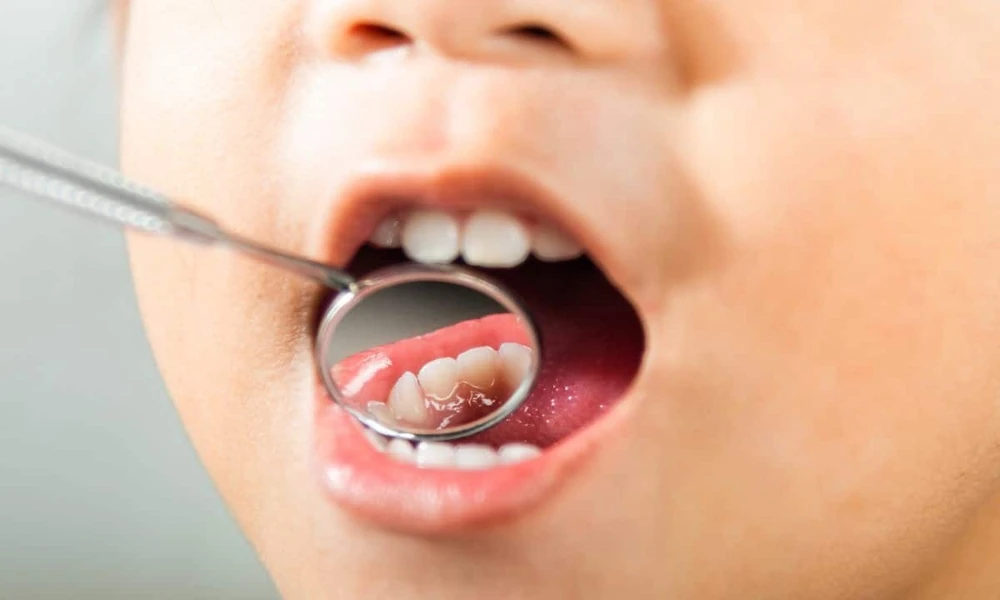
You notice it when your child says chewing hurts, or when you catch a flap of red gum behind a new molar and wonder if something is wrong. It can look angry fast. Food gets trapped, brushing turns into a battle, and a child who was doing fine yesterday suddenly does not want anyone near that part of the mouth. That kind of gum irritation around erupting back teeth is common, but it still feels unsettling when it is your child. If you are looking for a kids dentist in Eagle Rock, CA, it may help to have the area checked and get guidance on keeping it clean and comfortable.
The short version is this. When new molars push through, the gum tissue around them can become swollen, tender, and hard to keep clean. A pediatric dentist checks whether the problem is simple eruption irritation or something that needs treatment, then focuses on cleaning the area, calming the tissue, and preventing infection. In some cases, the dentist may remove a small piece of gum tissue if it is trapping food or repeatedly getting inflamed.
New back teeth often irritate the gums because they erupt slowly and trap bacteria
Back teeth do not always come in cleanly all at once. They often break through the gums little by little, leaving a soft tissue flap over part of the tooth. That flap creates the perfect place for plaque, food debris, and bacteria to collect. A child may complain of soreness near the back of the mouth, bad breath, swelling, or pain when biting down. Sometimes the area bleeds during brushing, which can make kids avoid cleaning it, and that makes the irritation worse.
This is one reason pediatric dentists treat inflamed gums around erupting molars with a careful exam first, not guesses. Gum irritation from a new tooth can look similar to early infection, trauma from chewing, or a deeper periodontal issue. According to the American Academy of Pediatric Dentistry, children and adolescents can develop periodontal conditions that need proper diagnosis and management, not just watchful waiting. You can read more in the AAPD’s guidance on risk assessment and management of periodontal diseases and pathologies in pediatric dental patients.
If your child has swelling behind a six year molar or twelve year molar, the timing fits a very common pattern. The problem is not always the tooth itself. The problem is the tissue around it and how easily that area traps debris before the tooth fully erupts.
Pediatric dentists focus on reducing pain, cleaning the area, and stopping repeat irritation
Treatment depends on what the dentist sees. If the gum tissue is irritated but not infected, the first step is often gentle irrigation and cleaning around the erupting tooth. That removes trapped food and plaque that a toothbrush could not reach. The dentist may also show you and your child a better way to angle the brush, use a child safe rinse if age appropriate, and keep the area cleaner at home while the tooth continues to come in.
If the tissue flap is repeatedly swollen, gets caught while chewing, or keeps trapping debris, the dentist may recommend removing that extra flap of tissue. This is a minor soft tissue procedure used in some cases to help the tooth erupt into a cleaner, easier to maintain position. Parents often worry when they hear any procedure mentioned, but the goal is simple. Reduce pain, reduce bacterial buildup, and stop the cycle of irritation.
When there are signs of infection such as pus, fever, facial swelling, or pain that spreads, treatment becomes more urgent. A pediatric dentist will decide whether local care is enough or whether additional treatment is needed. The standard is not to throw medication at every sore gum. The standard is to treat the cause.
This approach matches the AAPD’s best practices for periodontal conditions in pediatric dental patients, which stress early evaluation, accurate diagnosis, and treatment based on the child’s actual risk and symptoms.
Home care helps, but professional treatment is often what stops the cycle
Parents usually try the right things first. Better brushing, warm salt water rinses if the child is old enough to spit well, softer foods for a day or two. Sometimes that is enough for mild soreness. Sometimes it is not. If the flap of gum keeps getting packed with food, home care can only do so much.
| Situation | Home Care May Help | Professional Pediatric Dental Care Is Better |
|---|---|---|
| Mild tenderness as a molar first erupts | Gentle brushing, warm salt water rinses, soft foods | If pain lasts more than a few days or brushing is too painful |
| Food trapped under a gum flap | Careful cleaning may help briefly | Targeted irrigation and evaluation of the tissue flap |
| Swelling that keeps returning | Usually returns if the area stays hard to clean | Exam, cleaning, and possible removal of excess tissue |
| Bad breath, bleeding, pain with chewing | May improve slightly, often persists | Assessment for infection or periodontal concerns |
| Fever, facial swelling, pus, severe pain | Not enough | Prompt dental treatment |
Gum treatment for erupting back teeth is often straightforward when the problem is caught early. Waiting too long can mean more pain, more swelling, and a child who becomes even more resistant to brushing or dental visits.
Small signs around erupting molars can turn into bigger problems if ignored
A child may not say, “My gum tissue is inflamed.” They say the back tooth hurts, they chew on one side, they stop brushing well, or they wake up cranky because the area throbs at night. You may only see a little redness. That mismatch is common. The area can be more painful than it looks.
This is where a pediatric dentist helps in a way general advice online cannot. The dentist can tell whether this is normal eruption soreness, trapped debris under tissue, an infection around a partially erupted molar, or a sign that the tooth is coming in with added difficulty. That clarity matters, especially when your child is uncomfortable and you are trying to decide whether to wait or act.
Three steps you can take right away
Look for patterns, not just one bad moment. If the pain is tied to chewing, brushing, bad breath, or swelling behind a new back tooth, write down when it started and whether it is getting worse. That pattern helps the dentist spot what is going on faster.
Keep the area clean without forcing it. Use a soft toothbrush and gentle strokes around the erupting molar. If your child can rinse and spit reliably, warm salt water can soothe irritated tissue. Do not poke the gum flap or scrape the area.
Schedule an exam if the irritation lasts, returns, or looks infected. Ongoing soreness, repeated swelling, bleeding, pus, fever, or trouble eating deserves prompt care. Children’s gum inflammation around new molars often improves more quickly once the area is professionally cleaned and evaluated.
Relief usually starts with a clear diagnosis and simple treatment
You are not overreacting by paying attention to sore gum tissue around a new back tooth. Kids often cannot explain mouth pain clearly, and these areas are hard to see and harder to clean. The good news is that this problem is common, treatable, and usually manageable with the right care at the right time.
If your child has irritated gums around erupting molars, schedule a visit with a pediatric dentist. Early treatment can ease pain, protect the area from infection, and make the rest of the eruption process much smoother.
