

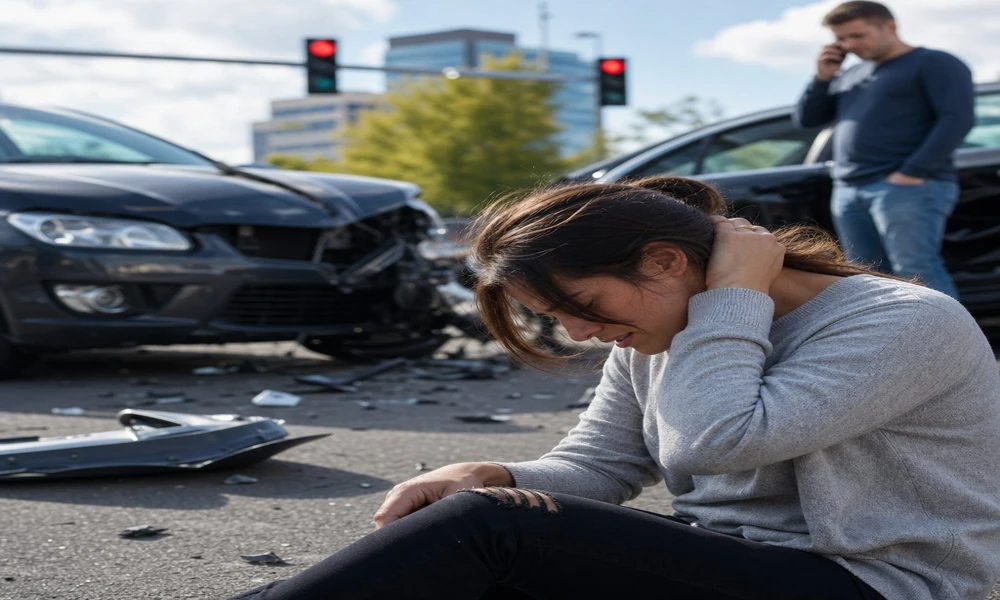
Winter Weather Is No Excuse For Causing a Collision
Snow may make it harder to see the center line. Freezing rain might coat the intersection as you come up to the red light. Black ice can be almost impossible to spot, which you can explore on this link, on the side of a slush-filled gutter. When you’ve crashed, the claims person may point at the bleak sky and say you could not have avoided the crash. But drivers still need to drive at a reasonable speed, maintain space between cars, keep lights functioning, and adapt to weather. A collision between cars on a snow-covered street tells you a lot more than a simple check of the weather.
A Snowy Intersection, A Rear End Collision
Red lights still need to be obeyed, even when the road is slick. If your car was stopped behind the crosswalk when another vehicle ran into your rear end, you could ask if the other car was tailgating you or traveling faster than you should.
Pictures might be able to show you what happened, and those images will fade within a few hours: the tire tracks in the dirty snow, the spot where snow was knocked off the car after the impact, any broken glass that was scattered near the curb. Vehicle damage could indicate if the other car hit you head-on or changed course just before hitting you.
Tire tracks and vehicle damage at a snowy intersection
Some other evidence that might be helpful includes:
- Video from your dash cam to show how long you had been stopped
- Weather records to show when the freezing rain started
- Video from a nearby business to show what speed cars were going and the timing of the light
- Statements from people who were in cars driving next to you when you were stopped
- Your mechanic’s report that describes what was broken underneath the bumper cover
It’s true that you may not have been able to control your car when it started sliding on the ice, but it’s also important to look at how far apart your vehicle was from the car in front of you. If someone was only a few feet behind your car when you stopped, they likely wouldn’t have had time to regain control when they started to slide.
Speeding in Poor Visibility
Just because a street sign says “55” doesn’t mean it’s safe to drive that fast when there is a blizzard. In a snowstorm, you might not be able to see past the first lane marking. Your windshield wipers might be leaving you a view of the fog in front of your vehicle. Even if you’re going the speed limit, you could still be driving faster than you can stop.
Dashcam footage might show you the intensity of the snowstorm, the brightness of brake lights, and how many seconds it took from the time you noticed the car until you hit it. People who were in the area might remember a car that sped past them in the storm. They may notice snow building up on the back window. The position of the vehicle, skid marks, and debris could also give you clues about how fast the other driver was going.
If you’ve been injured in a Schaumburg crash in a snowstorm, you’ll want to keep the whole video file instead of just giving them the clip. There may be important information in the full file, such as the timestamp, that gets cut off when you send a shorter video.
Collisions with Drivers Coming Out From Behind Snowbanks
When roads get plowed, the snow can end up piled up by the side of a driveway, in front of a store’s entrance, or next to a side street. A big pile of snow covered in road salt could hide a car that’s coming from one of those entrances, particularly if it’s a small car. If a car pulls out from behind that pile, the driver needs to be careful when doing so, pull forward slowly, and check again before proceeding.
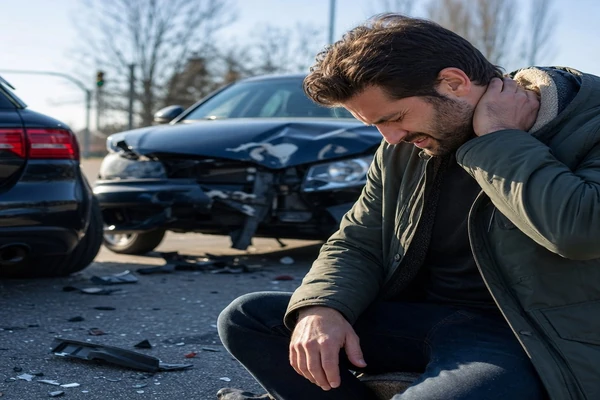
Car emerging cautiously from behind a roadside snowbank
Information about when the road was plowed, and if the pile got moved, could help to determine what the driver should have known. Pictures of the snowbank taken from a standing position would let you see what was blocked from view. A witness who is standing next to a bike rack, at a bus stop, or near a snow shovel could testify about whether the car waited or drove out right in front of them.
Another indicator of the cause of the accident is where the damage was located on your car. If you have damage on the front left tire, that suggests something different than if you have damage on your rear passenger door. You should take pictures of both vehicles before the snow melts, the tow truck moves them, or the repair shop fixes them.
Gather Evidence Before It Disappears
Evidence from winter storms is temporary. Tires will leave tracks in fresh snow, plows will clear any debris from the scene, and ice patches could turn to water in just a few hours. As long as it’s safe to do so, take pictures of the road, signs, snowbanks, where the cars were, and businesses that have security cameras.
Get medical care if you start feeling any discomfort, dizziness, or tightness later on, with the full details at https://www.cdc.gov/traumatic-brain-injury. Wet clothes hanging over the doctor’s chair and salt stains on your boots might be able to prove how quickly you went to the hospital. Keep all damaged items, the estimates for repairs, your doctor’s reports, and any emails or calls you receive from the insurance company in one place. A good record of the events could show that the other driver was partially responsible for the accident, even though sleet was falling outside the window.
